
Mixing Furniture Styles: What to Know | Mixing Furniture Styles
Mixing furniture styles can make a home feel personal rather than furnished all at once from a single catalog. The key is not to match every piece. It is to create a few clear connections—in color, shape, material, scale, or purpose—so different pieces feel as if they belong in the same room. Start with what you already own, decide what the room needs to do, then introduce contrast in a deliberate way.
What makes a mix of furniture styles feel cohesive?
A cohesive room has a visual thread. That thread might be a repeated wood tone, a shared undertone in the fabrics, similar shapes, or a consistent level of visual weight. The pieces do not need to come from the same era or design category. They need to relate to one another in at least a few observable ways.
Imagine a traditional wood dining table paired with contemporary chairs. The pairing can feel intentional if the chairs repeat a color used elsewhere, their scale suits the table, and the room has another element with a warm, substantial presence. Without those links, the table and chairs may look like separate decisions. The same principle works for a modern sofa beside a vintage cabinet or a sculptural accent chair near a classic side table.
Before buying anything, take a quick inventory. List the pieces that must stay, the pieces you are willing to replace, and what each room needs to support. A family room used for everyday lounging has different needs from a formal sitting area. Keeping function in the conversation helps the style choices serve the home rather than compete with it.
Next, look for one quality that can link the pieces you want to keep. It could be the warmth of the wood, the softness of a rounded silhouette, or a color already present in a rug. You do not have to repeat that quality in every object. A few well-placed connections are often enough to make contrast look intentional. When you cannot identify a shared quality, consider whether a third element—a textile, artwork, or smaller piece—could bridge the gap.
How do you choose an anchor piece?
Begin with the piece that has the strongest influence on the room. It may be a sofa, dining table, bed, large cabinet, or a piece with a memorable silhouette. An anchor does not have to be the most expensive item or the first item purchased. It is simply the reference point that helps you judge later choices.
Look at its size, color, material, and visual character. A broad, dark wood table has a different presence from a slim glass table. A low, softly shaped sofa reads differently from a tall, structured one. Note the qualities you want to carry through the room and the qualities you want to contrast.
Then identify what the room is missing. If the anchor is visually heavy, a lighter form nearby may keep the arrangement from feeling dense. If it is highly detailed, simpler shapes can give the eye a place to rest. If it is quiet and neutral, one expressive piece may add character without requiring every other item to make a statement.
It is useful to photograph the room from the main entrance and from the places where people sit. A photo can make imbalances easier to notice: perhaps one side feels crowded, the furniture heights all line up, or the strongest piece is hidden from the room's natural view. Use those observations to guide the next step, not as a reason to replace everything.
An anchor can also be a visual starting point rather than a permanent commitment. If you are deciding between two possible anchors, compare what each one asks of the room. A patterned sofa may call for quieter nearby textiles, while a simple sofa can leave more room for a distinctive rug or chair. Think about how difficult each choice would be to move or replace later, too. The most useful anchor is one that fits the room and gives you room to make other choices.
How can color connect different furniture styles?
Color is one of the simplest ways to bring unlike pieces into conversation. Choose a small palette before you shop. It can include a quiet base, one or two supporting colors, and a restrained accent. Use the palette across several elements—upholstery, wood finishes, art, rugs, cushions, or accessories—rather than asking one colorful object to connect the whole room.
Pay attention to undertones as well as color names. Two pieces described as beige may lean in different directions, one warmer and one cooler. Put fabric or finish samples next to one another in the room's actual light. Compare them in daylight and in the evening, because the colors can read differently as the light changes.
A limited palette does not mean every finish must match. Instead, repeat key tones in different amounts. A warm wood dining chair might relate to a frame, small table, or flooring detail elsewhere. A muted blue on one piece can reappear in art or a textile. Repetition makes a room feel connected; variation keeps it from becoming overly uniform.
If existing pieces have several wood finishes, avoid trying to force an exact match through additional purchases. Consider whether the finishes share warmth or depth, then repeat each important finish at least once where it makes sense. A rug or upholstery can also create a visual pause between pieces with different tones.
For a straightforward palette exercise, place swatches or photos of the pieces you plan to keep side by side. Choose the dominant color first, then mark which supporting shades already appear in the room. If one item feels unrelated, see whether a cushion, throw, or artwork can carry one of its tones elsewhere. This lets you test the connection with a small change before investing in another large piece.
How do you combine old and new pieces?
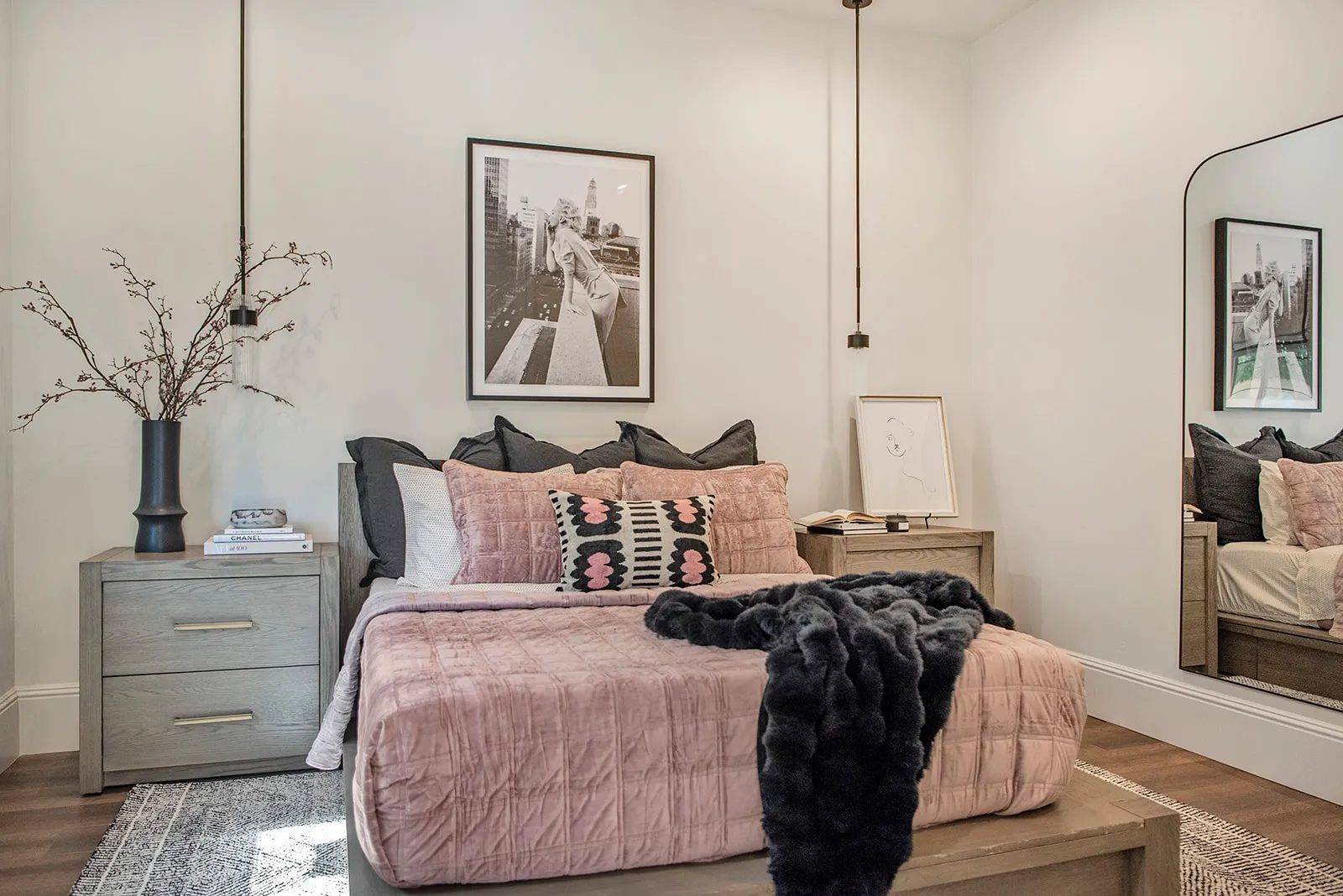
Mixing older and newer furniture works best when each item has room to be seen. A vintage cabinet can bring patina and detail; a clean-lined sofa can provide a calmer counterpoint. If every item has an ornate profile, the space may feel busy. If every item is very sleek, it may lack the character you hoped the older piece would add.
Use contrast with intention. Pair a curved form with a straighter one, a refined surface with a tactile one, or a visibly aged finish with a more polished finish. Then repeat one quality so the contrast feels connected. For example, an older wood piece and a newer wood piece might have different shapes but a related warmth. A rounded chair might feel at home beside a rectangular table if its upholstery echoes another color in the room.
Check condition and use before making a piece central. A treasured inherited item may need a careful position away from heavy traffic, or it may be more useful in a different room. Sentimental value matters, but a piece can be honored without forcing it into an arrangement where it does not function or fit.
When an older item needs updating, first decide what you value about it. The shape, finish, history, or material may be the reason it belongs in the room. Keep that feature visible and let surrounding pieces provide contrast. If you are considering a change, try the piece in a different position before altering its finish or upholstery. A new location can sometimes make its relationship to the room easier to understand.
What role do shape, material, and texture play?
Shape creates rhythm. If most of the room is made up of straight lines, a rounded chair, oval table, or curved lamp can soften the composition. If the room already has many curves, a rectilinear cabinet or table may provide balance. Notice the outline of each piece, not only its style label.
Materials add another layer of connection. Wood, metal, glass, stone, leather, and woven fibers each have their own visual weight and feel. A room does not need an equal amount of every material. Repeat a material in a couple of places, or use a smaller accessory to echo a larger surface. A metal detail on a table, for example, might relate to a lamp base or frame without making all the metals identical.
Texture helps a restrained palette feel dimensional. Consider the difference between smooth upholstery, a nubby textile, a woven rug, and a softly grained wood surface. Mixing textures can make styles feel less isolated because the eye finds a shared tactile quality. Keep practical care in mind: high-use rooms and households may call for materials that suit daily routines, not just a look in a photograph.
For whole-room planning, think about how these decisions connect to the layout and the home as a whole. Hermosa Style Co's interior design services include furnishings design, and its space planning guide offers another way to consider the relationship between furniture and room use.
How should you balance scale and visual weight?
Different styles can coexist, but pieces still need to make sense together in size. A small delicate table may disappear beside an oversized sofa; a bulky chair can block a narrow route through the room. Compare height, width, depth, and the amount of open space around each item. The goal is not identical dimensions. It is a composition in which no one piece seems accidentally overwhelmed or stranded.
Measure before shopping. Record the room dimensions, doorways, windows, built-ins, and the space needed to move around furniture. Use painter's tape or paper templates on the floor to outline a proposed item's footprint. Check the route from the entry through the room, and consider how doors, drawers, and seating will be used. A beautiful piece is not a good fit if it interrupts daily movement.
Visual weight is not only physical size. A dark, solid cabinet can feel heavier than a light-colored piece with open legs, even if their measurements are similar. Balance a strong piece with nearby open space, lighter finishes, or smaller forms. Likewise, several small objects can collectively feel busy, so leave some surfaces and sightlines uncluttered.
Consider height as part of the arrangement. A group of pieces with similar heights can create a flat line, while a thoughtful variation gives the eye a path through the room. That does not mean every corner needs a tall object. Compare the tops of nearby furniture, art, and lamps, and use open wall or surface area as a deliberate pause. Step back and view the room from more than one angle; an arrangement that looks balanced from the sofa may feel crowded from the doorway.
When arranging seating, think about conversation and use rather than pushing every item against a wall by default. Keep paths clear and orient seats toward a useful focal point. If the room connects to a dining area or kitchen, consider whether the furniture makes the transition comfortable. The lighting plan guide can help you think about how lighting supports different areas in a connected interior.
Which furniture pairings can you compare before deciding?
Use a simple comparison to decide whether a contrast needs more support. These are starting points, not fixed rules: the right choice depends on the room, the pieces already there, and how you use the space.
Pairing. | What connects it. | What to check. | Helpful adjustment. |
Traditional table and modern chairs. | Shared color, compatible scale, or a repeated material. | Seat height, chair width, table leg clearance. | Repeat a chair finish or upholstery tone elsewhere. |
Vintage cabinet and contemporary sofa. | Related wood warmth or a calm shared palette. | Visual weight and how much detail competes. | Keep nearby accessories simple and echo one color. |
Curved accent chair and angular coffee table. | Balanced silhouettes and a shared room palette. | Clear pathways and comfortable reach. | Repeat a curve or a straight line in another detail. |
Different wood finishes. | Related undertones, depth, or repeated use. | Whether one finish dominates without a reason. | Use a rug or upholstery as a visual bridge. |
Patterned upholstery and quiet furniture. | One or two colors carried between pieces. | Pattern scale and the amount of visual activity. | Let the strongest pattern lead; simplify nearby textiles. |
How can you avoid a room that feels mismatched?
Most rooms become unsettled when too many decisions compete at once. You can reduce that risk by working in stages and reviewing the room between changes.
- Choose every style at once.
Instead, start with the anchor and add pieces in order of need. Reassess before making the next purchase.
- Rely on a matching set to solve every decision.
A set can be useful, but repeating it across a whole room may leave little room for contrast. Consider which pieces benefit from a different shape or finish.
- Collect accents without a connecting idea.
Before adding a small decorative object, ask what color, material, or shape it supports. If it does not help the composition or serve a purpose, leave it out for now.
- Ignore scale because a piece looks good on its own.
Check measurements and floor placement in context. A showroom or product image cannot show how an item will relate to your specific room.
- Make every piece a focal point.
Select one or two features to lead. Let supporting pieces contribute through texture, shape, or function rather than competing for attention.
- Buy before defining the room's use.
Identify who uses the space, what activities happen there, and what needs to be stored or kept accessible. Style decisions should work with those needs.
It can help to collect photographs of rooms you genuinely like, then describe what appeals to you in plain terms: warm wood, open legs, rounded edges, restrained color, or layered textiles. Look for repeated preferences rather than copying a whole room. A design brief can also help organize priorities, room needs, and visual references before a larger project.
What should you plan before buying or rearranging?
Write down the decisions that will affect several other choices: the room's primary use, anchor piece, palette, furniture measurements, and any items that must remain. Then sort the rest into three groups: keep, reconsider, and explore. This small exercise can prevent a new purchase from solving one problem while creating another.
Make a rough plan with the main pieces drawn to scale or marked on the floor. Note walking routes, where people will sit, and whether drawers or doors can open. If you are furnishing more than one connected room, look at the sightlines between them. They do not need to be identical, but color and material choices should feel considered from one space to the next.
Set a project budget before you shop and distinguish essential items from optional finishing details. Costs vary by item, material, condition, and scope, so compare actual specifications and quotes rather than relying on a broad assumption. Hermosa Style Co's interior design cost guide discusses planning for design costs in the Phoenix area. If the project involves multiple rooms or a renovation, its home renovation planning guide can help you think through the larger sequence.
For a professional perspective on selecting and working with an interior designer, the American Society of Interior Designers is a useful place to learn more about the profession. If you are considering help with furnishing, renovation, or a new build, review the Hermosa Style Co project gallery and explore which design services align with your project.
Frequently Asked Questions
How many furniture styles can you mix in one room?
There is no required number. Focus on whether the pieces share a few links in color, scale, material, or shape. Two strongly contrasting styles can work well when the room has a clear anchor and supporting details; adding more styles is possible, but each new piece should have a reason to belong.
Do furniture finishes need to match?
No. Finishes can vary. Compare their warmth, depth, texture, and visual weight, then repeat important tones so each finish feels connected to the room. Test samples in the space before committing, because lighting affects how finishes appear.
Can you mix furniture styles in a small room?
Yes. In a small room, pay particular attention to measurements, clear routes, and visual weight. A mix of open and solid forms can keep the arrangement from feeling too dense, while a restrained palette can help different pieces relate. Choose each item for both its function and its footprint.
What should you buy first when mixing furniture styles?
Start with a necessary anchor piece or a piece you are committed to keeping. Confirm the room's measurements and use, then select supporting furniture that works with its scale and palette. If the room is unfinished, a measured plan can prevent rushed purchases.
Mixing furniture styles is less about following a formula than making each choice answer to the room. When the pieces suit how you live, fit the space, and share a few thoughtful connections, the result can feel collected, comfortable, and distinctly your own.
Comments